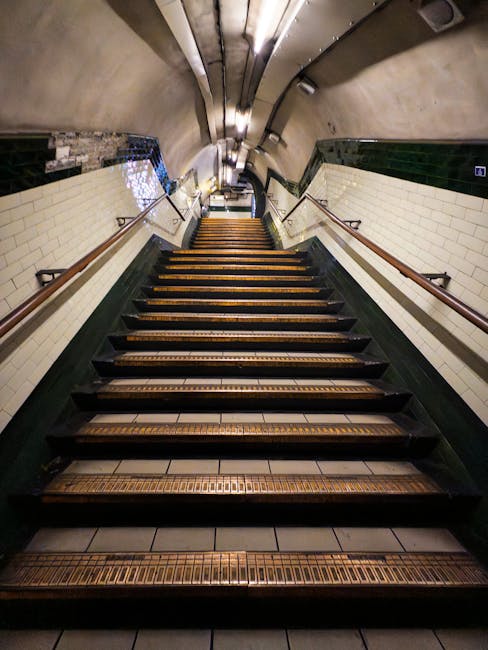
Narrow staircases on Belgrave Road? Van strategies for Pimlico
If you live or work around Belgrave Road in Pimlico, you already know the problem: elegant older buildings, tight internal stairwells, awkward turns, and not nearly enough room for a bulky sofa to behave itself. That is where Narrow staircases on Belgrave Road? Van strategies for Pimlico becomes more than a search phrase. It is a real-world moving challenge that calls for planning, the right vehicle, and a calm approach on the day.
Truth be told, a successful move in this part of London is rarely about brute force. It is about timing, access, loading order, lift use if available, protecting walls and bannisters, and choosing a van that can fit the street as well as the staircase. In this guide, we will walk through the practical side of moving in Pimlico, from what makes these properties tricky to how to avoid damage, stress, and repeated trips. If you want a smoother process, this is the kind of detail that pays off.
We will also cover useful next steps, common mistakes, and a realistic checklist you can use before moving day. And if you are looking for broader support, pages like removals across London, man and van service options, and furniture removals can help you see how different services fit together.
Table of Contents
- Why Narrow staircases on Belgrave Road? Van strategies for Pimlico Matters
- How Narrow staircases on Belgrave Road? Van strategies for Pimlico Works
- Key Benefits and Practical Advantages
- Who This Is For and When It Makes Sense
- Step-by-Step Guidance
- Expert Tips for Better Results
- Common Mistakes to Avoid
- Tools, Resources and Recommendations
- Law, Compliance, Standards, or Best Practice
- Options, Methods, or Comparison Table
- Case Study or Real-World Example
- Practical Checklist
- Conclusion
- Frequently Asked Questions
Why Narrow staircases on Belgrave Road? Van strategies for Pimlico Matters
Narrow staircases are not just a nuisance. They shape the entire moving plan. On streets around Belgrave Road, properties can have compact entrances, tight landings, winding stairs, and limited space to manoeuvre large items. A standard "just turn up with a van" approach can quickly become slow, noisy, and expensive. The right strategy protects the property, your belongings, and your patience.
This matters even more in Pimlico because access is often a mix of residential parking pressures, busy roads, and buildings that were not designed around modern oversized furniture. A few extra centimetres can be the difference between a clean carry and an item getting stuck halfway up the stairs. Anyone who has tried to angle a wardrobe around a bend in a narrow Georgian staircase knows the feeling. Slightly sweaty. Slightly grim. Very real.
There is also a cost angle. Poor planning usually means more labour time, more van journeys, and a higher chance of accidental damage. In practice, a careful vehicle strategy often saves money because it reduces wasted effort. That is the bit people miss.
If your move includes awkward furniture or several floors of access, it may be worth checking a broader packing and transport approach such as house removals in London or specialist piano removals if one of your items needs particular handling.
How Narrow staircases on Belgrave Road? Van strategies for Pimlico Works
The basic idea is simple: match the van, crew, route, and loading method to the building rather than forcing the building to fit the van. Sounds obvious, but it is amazing how often that gets skipped.
A good strategy usually starts before the van arrives. The team should understand the staircase width, landing size, turning angles, floor level, parking restrictions, and which items are large, fragile, or awkwardly shaped. From there, the move can be broken into a sequence that makes sense: protect surfaces, bring in the smaller items first, carry larger pieces at the right angle, and use the van to stage items in an order that avoids backtracking.
For some homes, a smaller van is actually better than a large one. That is not always intuitive. A medium-sized van can sometimes park more easily in Pimlico, get closer to the entrance, and make unloading quicker. If there is only one proper stopping point, size and manoeuvrability may matter more than sheer capacity.
In other cases, the strategy is about dividing the job. For example, a move might use one vehicle for boxed items and another for bulky furniture. Or it might mean separating the day into two runs: one for items that fit easily and a second for the awkward pieces that need more care. A good local operator will usually judge this from photos, measurements, or a short site visit.
That is also where sensible pre-move communication helps. If you are booking a service like office removals or packing services, the team can build the loading order around what needs to be done first, what is fragile, and what is likely to cause trouble on the stairs.
Key Benefits and Practical Advantages
When the plan is right, the benefits show up quickly. You move faster, with less stress and fewer surprises. That is the obvious part. The less obvious part is how much easier the whole day feels when nobody is wrestling with a sofa that clearly never wanted to leave the flat in the first place.
- Less risk of damage to walls, banisters, doors, and furniture.
- Better time efficiency because the load order and van access are planned properly.
- Lower physical strain for everyone involved, which matters on tight stairs.
- Improved parking and access control through smarter vehicle choice.
- Fewer delays caused by items getting stuck or needing to be re-angled.
- More predictable costs because you are less likely to add emergency labour or extra trips.
There is a quiet benefit too: better communication. Once you know stairs are tight, the move becomes a planning exercise, not a scramble. That changes the tone of the day. You are not hoping for luck; you are using a method.
For delicate or high-value possessions, planning is even more valuable. A small mistake on a staircase can lead to an expensive repair, and in older properties the damage can be hard to hide. Careful handling is not just good manners. It is practical risk management.
Who This Is For and When It Makes Sense
This approach makes sense for a wide range of people in Pimlico, especially if the property has awkward access or the items are bulky. If you are moving from a top-floor flat, a period conversion, or a building with a tight inner stairwell, you are exactly the type of person who benefits from proper van strategy.
It is also a good fit if you are:
- moving furniture in or out of a flat on Belgrave Road or nearby streets
- relocating a home office with desks, monitors, and storage units
- handling a partial move where only selected items are transported
- dealing with a same-day collection and delivery window
- moving during peak traffic hours and need access to be efficient
- unpacking into a building where stair access is the main challenge
It is also worth thinking about if you have items that need extra protection, such as mirrors, glass-topped tables, antique pieces, or awkward appliances. In those cases, you want a team that understands more than just lifting. You want a team that understands the route from van to room.
If you are comparing service levels, pages like student removals and parcels and deliveries can also help you judge whether you need a small, nimble service or something more structured.
Step-by-Step Guidance
A tidy plan beats improvisation every time. Here is a practical way to think through a move involving narrow stairs in Pimlico.
- Measure the key spaces. Measure the staircase width, landing depth, doorway openings, and the largest items you need to move. Do not guess. A tape measure is boring, yes, but it saves headaches.
- Identify problem items early. Wardrobes, sofas, mattresses, white goods, desks, and bed frames often cause the most trouble.
- Check vehicle access. Think about where the van can stop, how long it can stay there, and whether there is room to unload without blocking the road.
- Choose the right van size. A smaller van may be easier for tight streets; a larger one may reduce trips. The best option depends on your route and volume.
- Pack in a loading order. Put awkward or heavy items in a position where they can be brought out first or last, depending on the staircase layout.
- Protect the route. Use coverings for bannisters, corners, floors, and door frames if the team expects contact points.
- Stage items by room. Keep boxes grouped so the unloading side is efficient too. It saves a surprising amount of time.
- Leave a buffer in the schedule. London traffic, parking quirks, and staircase delays can easily add time. A little slack helps.
One small but useful habit: take quick photos of the items and the staircase before move day. Not for drama. Just for clarity. If there is a tricky bend or a particularly tight turn, the crew can think through the angle in advance.
And if your move is part of a larger relocation, it can help to review support options such as packing materials so you are not scrambling for boxes at the last minute.
Expert Tips for Better Results
There are a few details that separate a tolerable move from a smooth one. None are dramatic. All of them matter.
- Use short, clear instructions. "Lift at the frame, not the cushion" is better than a long explanation when someone is already halfway up the stairs.
- Keep the route clear. Shoes, plant pots, bags, and loose cables are easy to forget. They get in the way more often than people expect.
- Think in angles, not just sizes. A sofa that seems too large may still fit diagonally. The reverse is also true. Something seemingly manageable can catch on a landing.
- Load the van with the exit in mind. The item you need first should not be buried under everything else.
- Protect tired hands and tired patience. Gloves, grip, and a sensible break can make a huge difference on a long day.
Experienced movers often say the same thing in different ways: the job gets easier when you stop treating the staircase like an obstacle and start treating it like a route plan. That is the whole trick, really.
If you have very heavy, high-risk, or awkward pieces, it may be sensible to look at heavy item removals rather than assuming standard lifting will do the job.
Common Mistakes to Avoid
Most moving problems in narrow Pimlico staircases come from a handful of avoidable mistakes. Some are obvious in hindsight. At the time, though, people are usually busy, rushed, and optimistic. Dangerous combination.
- Underestimating staircase tightness. A stairwell can look manageable from the hallway and then become impossible at the turn.
- Booking the wrong vehicle size. Too large and you may struggle with access. Too small and you end up doing more runs than planned.
- Ignoring parking and stopping constraints. If the van cannot get near the entrance, the whole job becomes slower and harder.
- Packing fragile items poorly. A jolt on a narrow stair can be enough to crack glass or scuff finishes.
- Starting without a route plan. Stairs, landings, and corners should be considered before the first item moves.
- Forgetting to protect the property. A quick scratch on a painted wall may not seem like much until you are the one paying to fix it.
Another common issue is assuming one method fits all. It does not. A small studio move, a family relocation, and a furniture-only pickup are different jobs. The van strategy should reflect that.
For broader planning support, it can help to compare services such as end of tenancy cleaning if you are moving out and trying to hand over the property in good order. Not glamorous, but it matters.
Tools, Resources and Recommendations
You do not need a warehouse full of kit to manage a difficult staircase move, but the right tools make things noticeably easier.
| Tool or resource | Why it helps | Best used for |
|---|---|---|
| Measuring tape | Confirms staircase, landing, and item dimensions | Planning and item checks |
| Furniture blankets | Protects edges, finishes, and doorframes | Large furniture and fragile surfaces |
| Stretch wrap | Keeps drawers, doors, and loose parts secure | Cabinets, desks, and wardrobes |
| Shoulder straps or lifting aids | Improves control on heavy or awkward loads | Team lifts and tight turns |
| Floor and wall protection | Reduces scuffs in narrow corridors and stairwells | Older properties and decorated interiors |
There is also a simple, underrated resource: good photos. A few clear images of the staircase, the front entrance, and the largest furniture items often tell an experienced crew more than a long paragraph ever could. Slightly annoying, perhaps, but very effective.
If you need a more complete move, services such as a flexible man and van option can be paired with packing help and furniture handling to create a smoother end-to-end setup.
Law, Compliance, Standards, or Best Practice
For domestic moves in London, the main compliance issues are usually practical rather than legal drama. Parking, loading, safe lifting, and property protection are the big ones. If the move affects a shared building, the management company or landlord may also have access rules, time windows, or protection requirements. Those can vary, so it is worth checking before move day.
Best practice typically includes:
- using appropriate lifting techniques and team communication
- avoiding obstruction where possible when parking or unloading
- protecting common areas, walls, and floors in shared properties
- being honest about item size, weight, and access difficulty
- planning for safe handling rather than relying on speed alone
For commercial or office moves, the expectations can be a bit tighter because building managers often care about noise, timing, and access. If that sounds like your situation, business removals support may be more relevant than a general domestic service.
One note of caution: if an item feels too large, too heavy, or too awkward for the staircase, do not push on in a hopeful sort of way. Better to pause and reassess than to force a fit. That is where most damage starts.
Options, Methods, or Comparison Table
Choosing the right approach depends on the building, the load, and how much time you have. Here is a simple comparison.
| Approach | Best for | Pros | Watch out for |
|---|---|---|---|
| Small van, one trip | Light moves and limited parking space | Easy access, simple unloading | May need extra organisation or extra runs |
| Medium van with staged loading | Typical flat moves in Pimlico | Balanced capacity and manoeuvrability | Requires sensible loading order |
| Two-run approach | Bulky furniture or mixed item types | Reduces stair congestion | Needs more time and coordination |
| Specialist handling for awkward items | Pianos, antiques, heavy white goods | Better protection and control | Usually needs more planning and care |
In many Pimlico moves, the best answer is a hybrid. That is, use a vehicle that can park close, then handle the stairs with a clear sequence and proper protection. Not fancy. Just smart.
Case Study or Real-World Example
Here is a realistic example based on the kind of move people often face around Belgrave Road.
A couple in a fourth-floor flat needed to move out over a weekend. The staircase was narrow, the bend on the second landing was tight, and they had a sofa, bed frame, dining table, and about twenty boxes. At first, they thought a larger van would be best because "more space is safer." In practice, that would have made parking harder and the unloading slower.
Instead, the plan was adjusted. A medium van was used, the largest items were separated from the boxed items, and the stair route was cleared before the team started. The sofa was carried on a diagonal, the bed frame was dismantled in advance, and the boxes were loaded in room order so unloading into the new place felt calmer. Nothing heroic. Just sensible sequencing.
The biggest win was not speed. It was avoiding the stop-start panic that happens when a piece of furniture gets caught on a turn and everyone has to rethink the angle. Been there, honestly, and no one enjoys it.
That kind of planning also fits neatly with service options such as same-day removals when timing is tight and the access problem needs a disciplined approach.
Practical Checklist
Use this checklist before the van arrives. It is simple, but it keeps things on track.
- Measure the staircase, landings, and doorways
- Confirm the largest item dimensions
- Check parking and stopping access near Belgrave Road
- Decide whether a small, medium, or specialist van is most suitable
- Identify fragile, heavy, or awkward items early
- Dismantle furniture where sensible
- Pack items by room and priority
- Protect walls, corners, and floors if needed
- Keep a clear path from front door to stairwell
- Share photos and access details with the moving team
- Allow extra time for delays, parking, or careful handling
- Keep essentials separate for immediate access at the other end
Expert summary: if the staircase is tight, do not rely on the van to solve the problem. Solve the access problem first, then choose the van to fit the plan. That order matters more than most people think.
Conclusion
Narrow staircases on Belgrave Road are not a moving disaster waiting to happen. They are just a planning challenge, and one that is very manageable with the right van strategy, the right loading order, and a sensible understanding of Pimlico access. The key is to prepare for the property you actually have, not the one you wish you had.
When you plan carefully, you protect the building, reduce stress, and make the day feel more controlled. That is the real value here. Not a perfect move. A calmer one. And in London, calm is worth quite a lot.
If you are still weighing up the best approach, a short conversation, a few measurements, and the right service choice can make all the difference. Sometimes the smallest details are the ones that save the day.
Get a free quote today and see how much you can save.
And if nothing else, remember this: a narrow staircase does not have to be a nightmare. With the right plan, it is just another part of the route.
Frequently Asked Questions
What makes Belgrave Road staircases difficult for moving furniture?
Many properties in Pimlico have compact internal layouts, tight turns, and narrow landings. Large furniture can catch on corners or need careful angling, so the staircase shape matters as much as the item size.
Is a smaller van always better for Pimlico moves?
Not always. A smaller van can be easier to park and unload, but it may require more trips. The best choice depends on access, the volume of items, and how close the van can get to the property.
How do I know if my sofa will fit up a narrow staircase?
Measure the sofa, including its widest point, and compare it with the staircase width, the turn at the landing, and the doorway at the top. If the shape is awkward, a diagonal carry may work, but it should be checked before move day.
Should I dismantle furniture before moving?
Yes, where practical. Beds, tables, wardrobes, and desks are often easier to carry when broken down into smaller parts. It can reduce the risk of damage and make the stair route much easier.
What if the van cannot park close to the entrance?
Then the move will take longer and need more carrying distance. In that case, vehicle choice and timing become even more important, especially in busy parts of London where stopping space is limited.
Are there special rules for moving in shared buildings?
There can be. Some blocks or managed properties have access windows, protective requirements, or booking rules for lifts and common areas. It is wise to check these in advance rather than assume everything is fine.
How can I protect walls and banisters during the move?
Use furniture blankets, corner protection, and careful handling. Just as importantly, clear the route so items do not need last-minute twists. Prevention is easier than repairing scuffs later.
What is the biggest mistake people make with narrow stairs?
Underestimating the access. People often focus on the furniture and forget the route. In reality, the staircase, landings, and parking situation usually decide how easy or difficult the move will be.
Can I move heavy items up narrow stairs on my own?
It is usually not a good idea. Heavy or awkward items are much safer with at least two people, and some pieces really should be handled by experienced movers with the right equipment.
How far in advance should I plan a move in Pimlico?
As early as possible if the property has awkward access. Even a quick site review, measurements, and a few photos can make the final plan much more reliable.
Is same-day moving possible if access is tight?
Sometimes, yes, but it depends on the volume of items, the stairs, and vehicle availability. Same-day moves work best when the load is straightforward and access details are clear from the start.
What should I send a moving team before the job?
Send the staircase measurements, photos of the entrance and landings, item sizes, parking details, and anything that may affect access. A few clear details can save a lot of confusion later.