Pimlico Man with Van — Health & Safety Policy
 Pimlico Man with Van is committed to ensuring the health, safety and welfare of staff, contractors and the public while delivering reliable waste and rubbish removal services. This policy sets out the principles and practices that underpin our safety culture for our man with van rubbish collection and man-and-van waste removal operations. The objective is to minimise risk, prevent injury and protect property while maintaining efficient service delivery.
All employees and sub-contractors engaged in our rubbish collection services must follow this policy. Management will provide the necessary resources, supervision, and training so that every team member understands their role in maintaining a safe working environment. We emphasise continuous improvement and expect staff to contribute suggestions for safer working methods.

Responsibility and Roles
Accountability rests with senior management to implement and monitor the policy. Day-to-day responsibilities are delegated to supervisors and drivers who operate vans and handle refuse. Staff are required to:- Report hazards and incidents promptly;
- Follow safe systems of work for collection, loading and transport of waste;
- Use personal protective equipment and approved lifting techniques;
- Attend required training and safety briefings.
Risk Assessment and Control Measures
Before beginning any task, a dynamic risk assessment will be carried out to identify hazards specific to the job, vehicle, or site. Control measures are selected according to the hierarchy of controls: elimination, substitution, engineering controls, administrative controls and personal protective equipment (PPE).Specific risks associated with rubbish removal include manual handling injuries, slips and trips, exposure to sharp or hazardous waste, vehicle collisions, and lone working risks. Controls include safe loading plans, designated loading zones, clear floor space protocols, and routine vehicle checks. Our man and van rubbish teams operate under strict load securement procedures to prevent shifting loads during transit.
 Hazardous or special waste such as chemicals, asbestos, batteries, and certain electronics are identified and segregated at the point of collection. These items are handled only by trained personnel and managed in accordance with applicable waste-handling standards. When necessary, external specialist disposal services are engaged to ensure safe and lawful processing.
Training and competency are central to safe operations. All staff undergo induction training covering safe manual handling, correct use of PPE, vehicle safety protocols and emergency procedures. Refresher training is provided regularly, and additional job-specific training is supplied for hazardous waste handling, forklift use or working at height where relevant.
Vehicle safety and maintenance are integral to our service. Vans used for rubbish removal are maintained on a scheduled basis, with pre-shift checks documented and defects reported. Drivers must hold valid licences for the vehicle class and observe safe driving practices, including load limits and securement.
 Emergency response and incident reporting require prompt action. All incidents, near misses and injuries must be reported through our reporting system. Investigations identify root causes and corrective actions to prevent recurrence. In the event of an emergency, staff follow the established emergency plan, prioritising safety, first aid and notification of appropriate authorities when required.
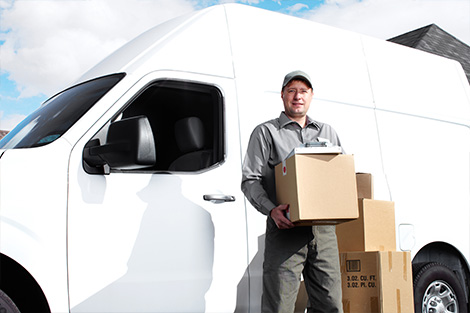
 Personal Protective Equipment (PPE) is provided to staff and must be worn where identified as necessary. Typical PPE for rubbish removal includes gloves, high-visibility clothing, protective footwear, eye protection and dust masks. Equipment is maintained, cleaned and replaced according to manufacturer guidance.
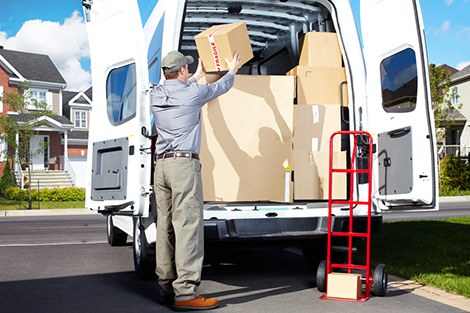
We promote safe manual handling through training, mechanical aids and team lifts. Lifting guidelines, load assessment and ergonomic considerations are emphasised to reduce musculoskeletal injuries. Work scheduling accounts for adequate breaks to reduce fatigue-related risk during collections and bulky waste removals.
Monitoring, Review and Continuous Improvement
The policy is monitored through regular site and vehicle inspections, audits, incident analysis and safety meetings. Performance indicators such as incident frequency, near-miss reports and training completion rates are reviewed to measure effectiveness. We commit to reviewing this health and safety policy at least annually or when significant operational changes occur to ensure relevance and ongoing improvement.Communication of health and safety expectations is continuous. Toolbox talks, signage on vehicles, and written procedures support consistent practice across all man with van rubbish services. Employees are encouraged to raise concerns and participate in safety initiatives that enhance the wellbeing of colleagues and the communities we serve.
Conclusion: Our safety policy underpins every aspect of the rubbish removal and man-and-van services we provide. By implementing robust risk controls, training, equipment maintenance and active reporting, Pimlico Man with Van seeks to deliver a high standard of service while protecting people, property and the environment.