Tate Britain moves: art-friendly removals in Pimlico
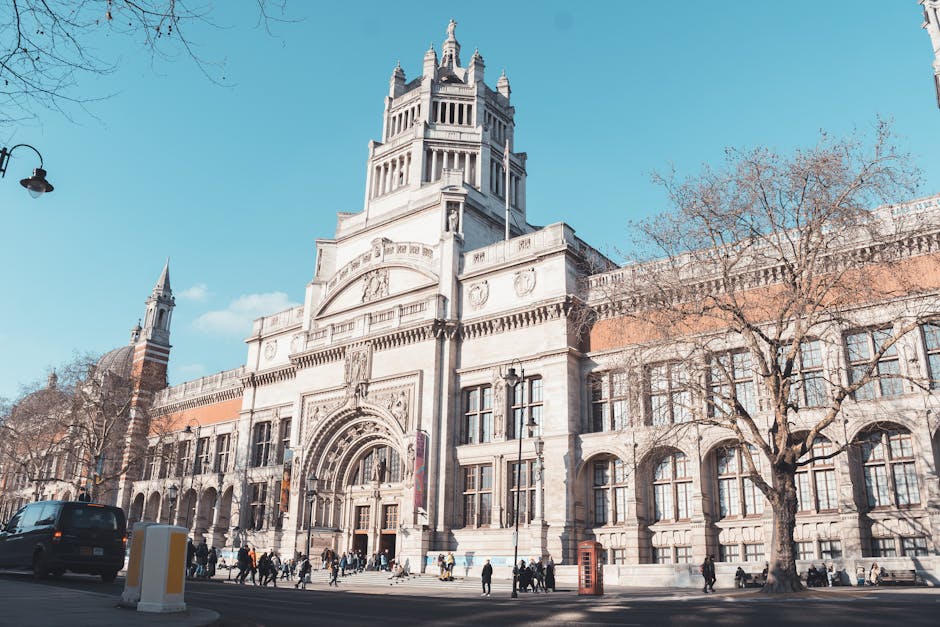
Moving near Tate Britain sounds glamorous on paper. In real life, it usually means tight streets, awkward loading bays, fragile items, museum-level care for artwork, and a calendar that seems to get shorter the closer moving day gets. That is exactly why Tate Britain moves: art-friendly removals in Pimlico need a different approach from an ordinary van-and-box job.
If you are relocating a flat, a studio, a gallery workspace, or just a home with a few precious pieces that deserve more than a blanket and hope, the details matter. From careful packing and handling to route planning and disposal of unwanted items, the aim is simple: move everything without drama. Truth be told, that is easier said than done in central London. But with the right process, it is very manageable.
This guide walks through what art-friendly removals actually involve, why they matter in Pimlico, how to plan them properly, and where people often go wrong. You will also find practical checklists, comparison points, and a realistic case example to help you make sensible decisions. If you want a broader service overview while you compare options, you can also start with the Pimlico Man with Van homepage and then move into the more specific support pages that fit your job.
Table of Contents
- Why Tate Britain moves: art-friendly removals in Pimlico Matters
- How Tate Britain moves: art-friendly removals in Pimlico Works
- Key Benefits and Practical Advantages
- Who This Is For and When It Makes Sense
- Step-by-Step Guidance
- Expert Tips for Better Results
- Common Mistakes to Avoid
- Tools, Resources and Recommendations
- Law, Compliance, Standards, or Best Practice
- Options, Methods, or Comparison Table
- Case Study or Real-World Example
- Practical Checklist
- Conclusion
- Frequently Asked Questions
Why Tate Britain moves: art-friendly removals in Pimlico Matters
Pimlico has a particular feel to it: elegant terraces, narrow streets, basement flats, upper floors with tight stairwells, and the kind of parking situation that can turn a simple lift into a minor planning exercise. Add valuable artwork, framed prints, sculptures, records, antiques, or photography equipment, and the move stops being "just a move".
Art-friendly removals matter because not every item responds well to standard handling. A canvas can bow. Glass can chatter in transit. A sculpture can shift under braking. Even apparently sturdy pieces can suffer scuffs if they are stacked poorly or wrapped in the wrong material. And if you are moving in or around Tate Britain, where the local context already suggests care, discretion, and order, a rushed approach simply looks out of place.
There is also the emotional side. People often underestimate how attached they are to a piece until they are wrapping it at 10:30 on a wet Thursday, worrying about a chipped frame. A proper art-aware removal process reduces that stress. It also helps protect the value of what you own, whether that value is financial, sentimental, or both.
For many households and creative businesses, the move is only half the story. You may also be clearing packaging, broken furniture, obsolete appliances, or sensitive paperwork that should not go in ordinary waste. In those cases, it helps to pair the move with services such as confidential shredding for sensitive documents and responsible disposal options that align with your schedule.
How Tate Britain moves: art-friendly removals in Pimlico Works
An art-friendly move is built around preparation, protection, and timing. That sounds simple, but each part needs to be done properly. The best removals teams think in terms of risk: what could be damaged, what could be delayed, and what could be difficult to carry through the building.
1. Pre-move assessment
Start by listing everything that needs extra care. Not just "artwork", but the actual item types: canvases, framed works, mirrors, ceramics, vinyl, lighting, design objects, easels, camera gear, or heritage furniture. That list helps decide packing, vehicle space, loading order, and whether anything needs dismantling.
2. Packing designed for protection
The packing approach depends on the item. Corner protectors, double-walled boxes, acid-free paper for delicate surfaces, and sturdy wrap materials all have their place. A framed piece needs different treatment from a rolled print. A sculpture with protruding edges needs its own plan. There is no one-size-fits-all answer, and that is kind of the point.
3. Building and access planning
In Pimlico, access often determines how smooth the day will be. Narrow staircases, communal hallways, lift restrictions, and parking constraints can all shape the route. A good crew will map the carry distance, check for low ceilings or awkward bends, and decide whether items should be moved in a particular order. Sometimes the smallest detail - a door that only opens part way, for example - is the one that causes the delay.
4. Vehicle loading and securing
Loading matters just as much as wrapping. Fragile pieces should not be left to slide around between soft bags and uneven furniture. They need to be placed where they will not be crushed, tipped, or pinned by heavier items. Proper strapping, sensible stacking, and a quiet, careful driving style all help. Bumps happen on London roads; you plan for them.
5. Delivery and placement
Unloading is the final risk point. It is tempting to rush once the van has reached the destination, but that is exactly when mistakes happen. Items should be placed in the correct room, checked for any issues, and unpacked in an order that avoids clutter. If there is a display wall to rebuild or a workspace to reassemble, take your time. A few extra minutes now can save a very annoying afternoon later.
Key Benefits and Practical Advantages
People usually think the main benefit is damage prevention. That is true, but not the whole story. Art-friendly removals give you a cleaner, calmer move overall, especially in a place like Pimlico where time and space are both at a premium.
- Less risk of damage: Proper wrapping and loading reduce the chance of chips, tears, dents, and frame stress.
- Better organisation: Clear item grouping means your artwork, valuables, and household goods are easier to track.
- Quicker settling-in: If items are labelled and placed logically, unpacking is less of a mess. And nobody enjoys the "where did I put that print?" moment.
- More suitable for mixed loads: Many moves include furniture, art, electronics, and unwanted items. A tailored approach handles all of them without treating everything the same.
- Lower stress on moving day: Calm planning tends to produce a calmer day. Funny how that works.
- Better for central London access: A route planned around local restrictions and building access avoids the classic queue of van, boxes, and mild panic.
Another underrated benefit is reputation. If you are moving a creative workspace, gallery stock, or client-facing items, your handling standards say something about your business. Careful removals make a better impression than improvisation ever will.
Expert summary: The best art-friendly removals are not necessarily the most expensive or the most elaborate. They are the ones that match the real shape of the move: the right packing, the right vehicle, the right order, and enough time to do the job properly.
Who This Is For and When It Makes Sense
This kind of removals support is a strong fit for several groups, and not only for art collectors. In practice, many moves in Pimlico contain at least one "special handling" item that needs a little more thought than the rest.
Home movers with valuable or fragile items
If you own framed art, ceramics, mirrors, antiques, musical instruments, or anything emotionally irreplaceable, art-friendly moving support is worth considering. You do not need a gallery-grade collection for the extra care to pay off.
Artists, designers, and creatives
Studio contents can be awkward. Canvases, portfolios, tool storage, display materials, and half-finished projects do not always fit tidy boxes. A removal plan should respect that. For creatives, speed matters, but so does control.
Landlords and property managers
If you are clearing a flat after a tenancy, there may be a mix of items to remove. Some furniture might be reusable, while other items need disposal. For bulky upholstered pieces, it can help to look at sofa and mattress disposal options rather than forcing everything into one catch-all plan.
Small businesses and offices
Office moves often include framed branding, reception art, printers, old appliances, and confidential files. That combination calls for more than a basic van. In some cases, you may also need fridge and appliance removal alongside the main move, which is worth organising early rather than as an afterthought.
Anyone dealing with limited access
If your building has no lift, restricted parking, or awkward loading conditions, the value of planning becomes obvious very quickly. The job is not impossible. It just needs the right sequencing and a bit of local know-how.
Step-by-Step Guidance
Here is a practical, real-world way to approach the move without overcomplicating it.
- Make a room-by-room inventory. Separate artwork, fragile decor, furniture, electronics, and items for disposal. Keep it simple, but be specific.
- Measure large pieces. Height, width, depth, and frame protrusions matter. One extra inch can change the packing method.
- Decide what needs specialist packing. Not every item needs museum-style materials, but some do. Framed prints, glazed items, and high-value pieces usually deserve extra protection.
- Check access at both ends. Note stairs, lifts, parking, and any time restrictions. If the route looks tight, say so early. It saves everybody time.
- Prepare unwanted items for separate removal. This is the moment to clear old furniture, broken appliances, or junk that would only get in the way.
- Book the right service mix. If you need transport, disposal, or specialist handling, bundle it where possible. That tends to be easier than juggling several separate bookings.
- Label everything clearly. Mark fragile items, destination rooms, and any "open first" boxes. A marker pen is a humble tool, but it earns its keep.
- Keep essential documents and keys separate. There is nothing artistic about spending twenty minutes searching for the lease folder.
- Allow buffer time. London moves often run better when they are not squeezed to the minute. A little slack in the schedule is very helpful.
- Do a final walk-through. Check cupboards, behind doors, under beds, and any awkward corners. The last forgotten item is always the one you needed.
If you want a clearer estimate before booking, the pricing and quotes page is the best place to compare your requirements against the kind of support you actually need. Small job, large job, mixed load - pricing should reflect the real workload, not a vague guess.
Expert Tips for Better Results
These are the small habits that make the biggest difference. Not glamorous, perhaps, but very effective.
- Wrap artwork for the journey, not for storage. Short trips need secure protection, but not overpacked layers that create pressure on the surface.
- Keep originals separate from print copies. Certificates, invoices, framing notes, and insurance documents should travel in one safe folder.
- Use a consistent naming system. If you label one item "Bedroom Art 1" and another "large picture thing", the system has already started to wobble.
- Photograph fragile items before they move. That gives you a visual record of condition and helps with unpacking later.
- Load by fragility, not just by room. Weight is only one factor. Some light items are more vulnerable than heavy ones.
- Ask about recycling and disposal before move day. If you are clearing packaging, unusable furniture, or obsolete stock, the right disposal route makes the day cleaner. The recycling and sustainability guidance is useful for planning a lower-waste move.
- Choose security carefully for payment and booking. If you are confirming a move online, take a moment to review the payment and security information. It is a small step, but a sensible one.
One more thing: don't overestimate how much you can "just carry by hand". A painting may look light, right up until it catches the wind on a stair landing or slips in a doorway. That is the sort of near-miss that nobody wants before tea.
Common Mistakes to Avoid
Most moving mishaps are ordinary, preventable mistakes. The good news is that they are easy to avoid once you know what to watch for.
- Using the wrong packing materials. Standard thin bubble wrap or loose bin bags are not enough for delicate art. They can shift, rub, or trap moisture.
- Ignoring the building layout. A beautiful plan on paper can fall apart if the staircase is too narrow or the parking is not arranged properly.
- Leaving disposal until the last minute. Unwanted items slow the move and create clutter. If something needs to go, sort it early.
- Forgetting about humidity and temperature sensitivity. Some works and materials dislike heat, damp, or sudden changes. Keep them out of a hot van for longer than necessary.
- Mixing fragile and heavy items. This is where chips and scratches happen. A heavy table leg should not be pressing against a framed print. Common sense, yes - but it still gets missed.
- Skipping insurance or safety checks. If there is anything especially valuable, confirm how it will be handled and covered. The insurance and safety page is a useful reference point.
- Not asking the right questions upfront. What is included? What needs to be packed separately? What happens with appliances or waste? Ask early, not when the van is outside.
Sometimes the mistake is simply trying to turn a careful job into a fast one. That rarely ends well. A move can be efficient without being rushed. That is the sweet spot.
Tools, Resources and Recommendations
You do not need a warehouse full of specialist kit, but a few practical items make a noticeable difference. Here is what tends to help most.
| Tool or Resource | Why it helps | Best used for |
|---|---|---|
| Double-walled boxes | Better resistance to crushing and impact | Prints, books, smaller framed pieces, accessories |
| Corner protectors | Protects frames from knocks and pressure | Artwork, mirrors, framed photographs |
| Blankets and wraps | Adds cushioning during loading and transport | Furniture, larger objects, mixed items |
| Labels and marker pens | Makes unloading faster and more accurate | All boxes and bundles |
| Ratchet straps or securing ties | Reduces shifting in transit | Vehicle load management |
| Inventory list or phone notes | Helps track what is moving and what is not | Moves with multiple rooms or valuable items |
As for resources, a good removals provider should be able to explain what can travel safely, what needs special handling, and what should be disposed of separately. If you are unsure about the grey areas, the what can go in a skip guide is helpful for understanding which materials and items need different treatment. Not everything belongs in one load, and that is fine.
If a move involves bulky household waste, old appliances, or items that have reached the end of their life, it can also be useful to review hazardous waste disposal guidance before booking. Paint tins, chemicals, batteries, and similar items need care. Best not to wing it.
Law, Compliance, Standards, or Best Practice
For most domestic moves, the key legal and compliance issues are less about the artwork itself and more about safe transport, responsible waste handling, and honest business practice. If you are moving items on behalf of a business, you may also need to think about data security, waste duty of care, and basic record-keeping.
Here are the main principles worth keeping in mind:
- Waste should be handled responsibly. If you are clearing items, packaging, or obsolete stock, they should be sorted in line with local and UK waste expectations.
- Hazardous items need separate attention. Anything potentially dangerous should not be mixed with general household waste. Batteries, chemicals, and certain appliances need proper handling.
- Documents should be protected. If you are disposing of files, receipts, or sensitive paperwork, confidential shredding is the safer route.
- Transport should be safe and secure. Loads need to be restrained properly, and items should be protected from avoidable movement or damage.
- Service terms should be clear. Pricing, timing, and responsibilities are best understood before the day of the move, not after.
It is also worth checking that your chosen provider has clear policies for safety and conduct. A transparent health and safety policy signals that procedures are being taken seriously, not improvised. If you are comparing providers, that sort of detail matters more than glossy promises.
And a small but useful point: if the job includes any sustainability concerns, such as reuse, recycling, or disposal, ask how the provider separates salvageable items from waste. The goal is not to move everything twice. It is to move it once, correctly.
Options, Methods, or Comparison Table
There are a few ways to handle a move like this. Some are fine for simple jobs. Others suit delicate, mixed, or time-sensitive moves much better.
| Method | Best for | Pros | Trade-offs |
|---|---|---|---|
| Self-packed van move | Smaller, low-risk loads | Budget-friendly, flexible | More effort, higher risk for fragile items |
| Standard removals service | Typical household moves | Convenient, less physical work | May not suit very delicate or mixed-value loads |
| Art-friendly removals | Artwork, mirrors, mixed fragile items, studios | Better protection, better planning, less stress | Requires more preparation and clear item details |
| Move plus disposal package | Clear-outs, downsizing, office changes | One coordinated process | Needs item sorting before the day |
The right choice depends on what you are moving, how valuable it is, and how complicated access will be. For example, a single studio wall of framed prints might need much more care than a regular sofa move. On the other hand, a plain furniture-only move may not justify a highly specialised setup. Matching the method to the load is the sensible bit.
Case Study or Real-World Example
Imagine a small creative studio near Tate Britain shifting to a new address a few streets away. The team has six framed prints, two canvases, one vintage cabinet, a desktop computer, several archive boxes, and a pile of old packaging they no longer want. There is also an underused appliance in the corner that should not be moved at all.
In that situation, a sensible removal plan would usually look like this: fragile art packed first, electronics separated and labelled, the cabinet padded and secured, archive boxes grouped together, and the appliance booked for dedicated removal rather than left to become an obstacle on moving day. If confidential paperwork is mixed into the archive, shredding would be arranged separately. The whole job becomes calmer once the sorting is done.
What tends to make the biggest difference is not some fancy technique. It is sequencing. In the real world, the team that packs well, labels clearly, and clears the clutter before the van arrives nearly always has an easier day. You can feel it when you step into the space. Less chaos. Fewer "where did that go?" moments. More forward motion.
That same approach works for homes too. A couple moving from a top-floor Pimlico flat might only have three artworks and a very awkward staircase. Still worth planning carefully? Absolutely. Because the size of the load is not the same thing as the size of the risk.
Practical Checklist
Use this checklist before booking and before moving day. It keeps the process grounded.
- List all artwork, mirrors, fragile decor, and special items
- Measure large or awkward pieces accurately
- Check the access at both addresses
- Decide what will be moved, stored, recycled, or disposed of
- Separate valuables, documents, and keys
- Arrange suitable packing materials for fragile items
- Confirm how appliances or heavy items will be handled
- Review pricing, booking, and payment details in advance
- Make sure the provider's safety and insurance information is clear
- Label boxes and pieces with room names and fragility notes
- Set aside anything that needs confidential shredding or special disposal
- Leave a small time buffer for traffic, access delays, or final checks
If you are ready to lock things in, the online booking page is a straightforward next step once your list is clear. It is always easier to book when you know what is actually going, rather than guessing and hoping for the best.
Conclusion
Tate Britain moves: art-friendly removals in Pimlico are really about respecting the value of what you are moving, whether that value is artistic, financial, or personal. In a busy part of London, where access can be tight and timing matters, a careful, structured approach is not extra fuss. It is the difference between a smooth move and a stressful one.
Plan the packing, check the access, separate the items that need special handling, and think ahead about disposal and security. Do that, and the day becomes much more manageable. You do not need perfection. You just need the right process, a steady hand, and a bit of local common sense.
Get a free quote today and see how much you can save.
And if there is one final thought to carry with you, it is this: good removals should make room for the next chapter, not leave a trail of avoidable stress behind.
Frequently Asked Questions
What does art-friendly removals actually mean?
It means the move is planned around fragile, valuable, or awkward items such as artwork, mirrors, antiques, and creative equipment. The focus is on careful packing, secure loading, and sensible handling rather than simply shifting boxes quickly.
Why is Pimlico a tricky area for removals?
Pimlico often involves narrow streets, limited parking, and buildings with stairs or tight access. Those conditions are manageable, but they do require better planning than a straightforward suburban move.
Do I need specialist help for just one painting or print?
Not always, but if the piece is valuable, sentimental, fragile, or unusually sized, specialist handling can be worthwhile. Sometimes one item is the thing that changes the whole plan.
Can artwork be moved with normal household furniture?
It can, but only if it is packed and separated properly. Artwork should not be left loose against heavy furniture or stacked under pressure. That is where damage tends to happen.
How should I prepare framed art for a move?
Use protective wrapping, corner protection, and a box or cover that keeps the frame from flexing. Label it clearly and keep it away from heavy, shifting items in the van.
What if I also need to get rid of old furniture or appliances?
It is usually best to separate removals from disposal in the planning stage, even if the same provider can help with both. If you have bulky items, look at dedicated pages such as sofa, mattress, or appliance removal so the job is handled properly.
How far in advance should I book?
As early as you can, especially if your move involves artwork, access restrictions, or multiple item types. A little lead time gives you more flexibility and usually less stress.
Is confidential paperwork safe to move with the rest of my items?
It can be, but sensitive documents should be kept separate and secured. If you are throwing anything away, confidential shredding is the safer choice than putting papers in general waste.
What should I ask before accepting a quote?
Ask what is included, how fragile items are handled, whether packing is provided, what happens with disposal, and whether insurance and safety arrangements are clear. A good quote should leave little room for confusion.
How do I know if a move is too complex for a standard service?
If you have valuable art, awkward access, multiple fragile items, or mixed disposal needs, a standard service may not be enough. The more special handling you need, the more useful a tailored approach becomes.
What is the best way to keep moving day calm?
Label early, pack carefully, confirm access, and avoid leaving decisions until the morning of the move. Calm moves are usually built the day before, not during the last ten minutes.
Are sustainability and recycling really worth considering during a move?
Yes, because moves often create more waste than people expect: old packaging, broken items, unwanted furniture, and redundant appliances. Choosing better disposal and recycling routes can make the whole process cleaner and more responsible.